Whoa! Okay, so here’s the thing. I wandered into the DeFi space pretty early, and my instinct said: wallets matter way more than people admit. Seriously? Yup. At first I thought one extension was all you needed. But then I kept hitting UX walls, network headaches, and weird approvals that made me pause. Actually, wait—let me rephrase that: I thought all extensions behaved similarly, but real life proved otherwise, and that’s how I found Rabby.
Short version: Rabby is a browser extension built for multi‑chain use, with a focus on clear transaction flows and fine‑grained approvals. My gut noticed the tiny things first — clearer gas estimates, an approvals manager that didn’t hide approvals behind menus, and sensible defaults. Hmm… something felt off about other wallets after that. This piece walks through why Rabby stands out as an Ethereum wallet and multi‑chain tool, practical setup notes, and security habits I actually use myself (and recommend).
Why this matters: multi‑chain is no longer a novelty. Assets and dapps live across EVM chains now. You need a wallet that keeps that complexity honest, instead of burying it. I’m biased, but I prefer tools that make mistakes obvious rather than invisible. That part bugs me.
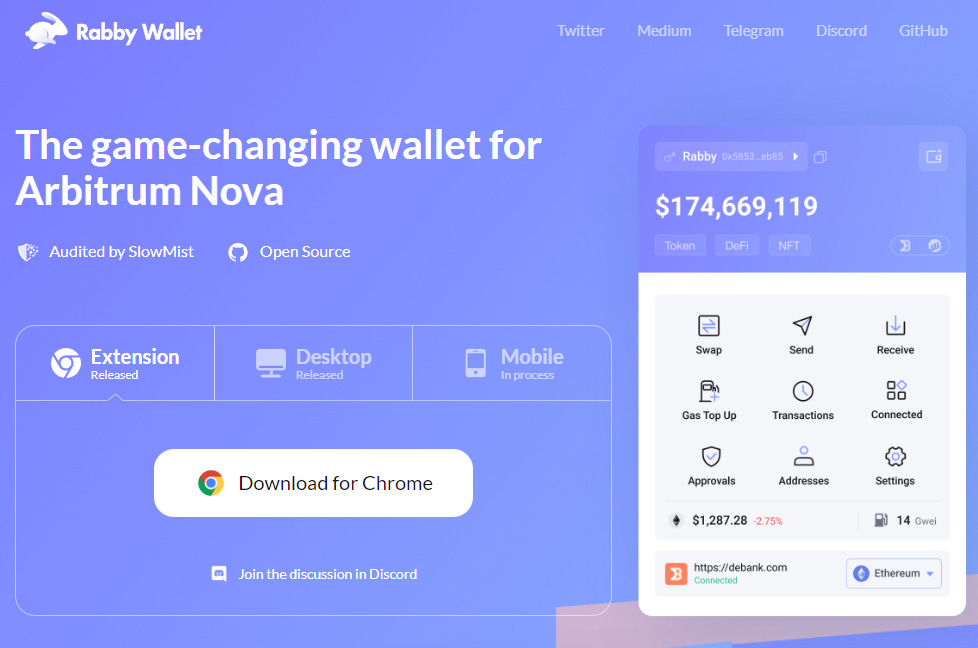
What Rabby does well (quick hit)
Clear approvals. No smoke and mirrors. Short sentence.
Rabby gives you the ability to approve contracts with specific limits rather than infinite allowances by default. That reduces blast radius if a contract is malicious. On one hand this is slightly more work. Though actually, it’s safer in practice for regular users who interact with DeFi protocols multiple times.
Multi‑chain support is solid. The extension manages accounts across networks with minimal friction. Gas management is smarter than many other extensions I tested (not exhaustive, but practical).
Security model and what I like about it
The extension stores private keys locally in the browser and is noncustodial. That means you retain control. Praise that. But don’t mistake local control for automatic safety. You are responsible for seed phrases and browser hygiene. I’m not 100% sure everyone remembers that, and some folks treat browser wallets as if they’re hardware devices (they’re not).
Rabby adds features such as a built‑in approvals manager and transaction simulation hints. Those tools help you catch odd behavior — like a contract suddenly requesting token approvals or unexpectedly high gas. Initially I thought these were minor luxuries. Then I realized they’re useful guardrails during chaotic market moments.
How to set it up — practical steps
Step 1: Download from the official source. It’s simple and direct. If you’d like to try it, get the official build here: rabby wallet. Do not install random builds or side‑loaded copies. Short and important.
Step 2: Create a new wallet or import one. Use a strong password and save your seed phrase offline. Write it down. Put it in two separate physical places if you can. Seriously. Backups matter.
Step 3: Configure networks you plan to use. By default Rabby supports major EVM chains; you can add others manually. If you trade on a new chain, add it explicitly (and double‑check RPC endpoints).
Step 4: Tweak approvals. I set approvals to prompt me for single‑use allowances where feasible. It’s a tiny bit more friction, but worth it.
Using Rabby daily — tips from the trenches
Always preview transactions before signing. Watch the amount of ETH/GAS being used. Short sentence.
Keep an eye on the “from” address if you manage multiple accounts. I’ve been tripped up before by the wrong active account during a liquidity add — very very annoying. A small habit: glance twice at the network, account, and dapp origin before you hit confirm.
Use the approvals manager weekly. Revoke stale approvals. Many tokens are granted infinite allowances by dapps, and over time those can add up to risk. On one hand revoking approvals is a chore; on the other, it’s a practical risk reduction step.
Common pitfalls and how to avoid them
Gas estimation mismatches. Sometimes your wallet estimates lower than the network congestion requires, and transactions fail or get stuck. If a tx looks odd — bump the gas or cancel if possible. Also, check for nonce mismatches if you have pending txs across multiple tabs.
Phishing dapps. Tools look the same, but domains differ. I once copied a URL from a forum and nearly signed into a scam page. My instinct said something was off, and that saved me. Always check the site domain and consider using a separate browser profile for high‑value activity.
Interacting with dApps across chains
Rabby helps keep chain context clear, but cross‑chain bridges can still be messy. When bridging assets, confirm destination addresses and expected wrapped token symbols. On some bridges, token names change, and you might not notice until after a swap. This is where reading the bridge UI carefully — and patience — pays off.
When you connect to a dapp, grant the minimal permissions. If a dapp asks for an unlimited allowance and you don’t need it, decline and set single‑use. Yes it’s a few more clicks, but if the dapp gets compromised later, those single‑use approvals limit loss.
FAQ
Is Rabby safe for large balances?
Short answer: it’s better for everyday DeFi than many lightweight wallets, but I treat it like software, not a vault. For very large holdings, pair Rabby with a hardware wallet or keep the bulk in cold storage. My routine: active funds in Rabby for trading and dapp use; long‑term funds offline.
Can I import my metamask wallet?
Yes. You can import via seed phrase or private key. But be mindful: importing a seed into multiple devices increases exposure. If you import, consider generating a fresh seed for high‑risk dapp interactions and keep main funds separate.
What if I see a weird approval?
Revoke it immediately. If the dapp still needs access, re‑authorize with single‑use allowance. Also search for reported hacks or rug pulls related to the dapp — community channels often surface issues fast. I’m biased but I check Twitter threads and forums before re‑approving anything suspicious.