Whoa! Okay, here’s the thing. The Solana ecosystem moves fast. Wallet extensions are often the first touchpoint people have with NFTs, dApps, and DeFi on Solana, so the experience matters a lot. My instinct said this would be simple. Actually, wait—let me rephrase that: it feels simple until you start clicking permissions and wondering what you just signed for.
Seriously? Yes. Browser wallet extensions can be delightfully smooth. They can also be confusing or risky if you don’t pay attention. On one hand, extensions bring convenience and UX polish. On the other hand, bad extensions or careless permissions can expose keys or enable transactions you never meant to approve, and that part bugs me.
Quick note before we dive deeper: some of what follows is practical guidance, and some of it is subjective. I’m biased toward wallets that balance security with good UX. (oh, and by the way… somethin’ about a great UI just makes me trust an app more, even if I probably shouldn’t.)
First, let’s clarify terms. A “Sol wallet” usually refers to a wallet that can hold SOL and SPL tokens, sign transactions, and interact with dApps. An “NFT wallet” is often the same thing, but people use the phrase when they’re focused on collectibles and marketplace flows. Extensions make this handy by letting web pages ask your wallet to sign something directly in-browser, without copy-pasting keys or dealing with seed phrases constantly. That convenience is powerful. It also creates attack surfaces.
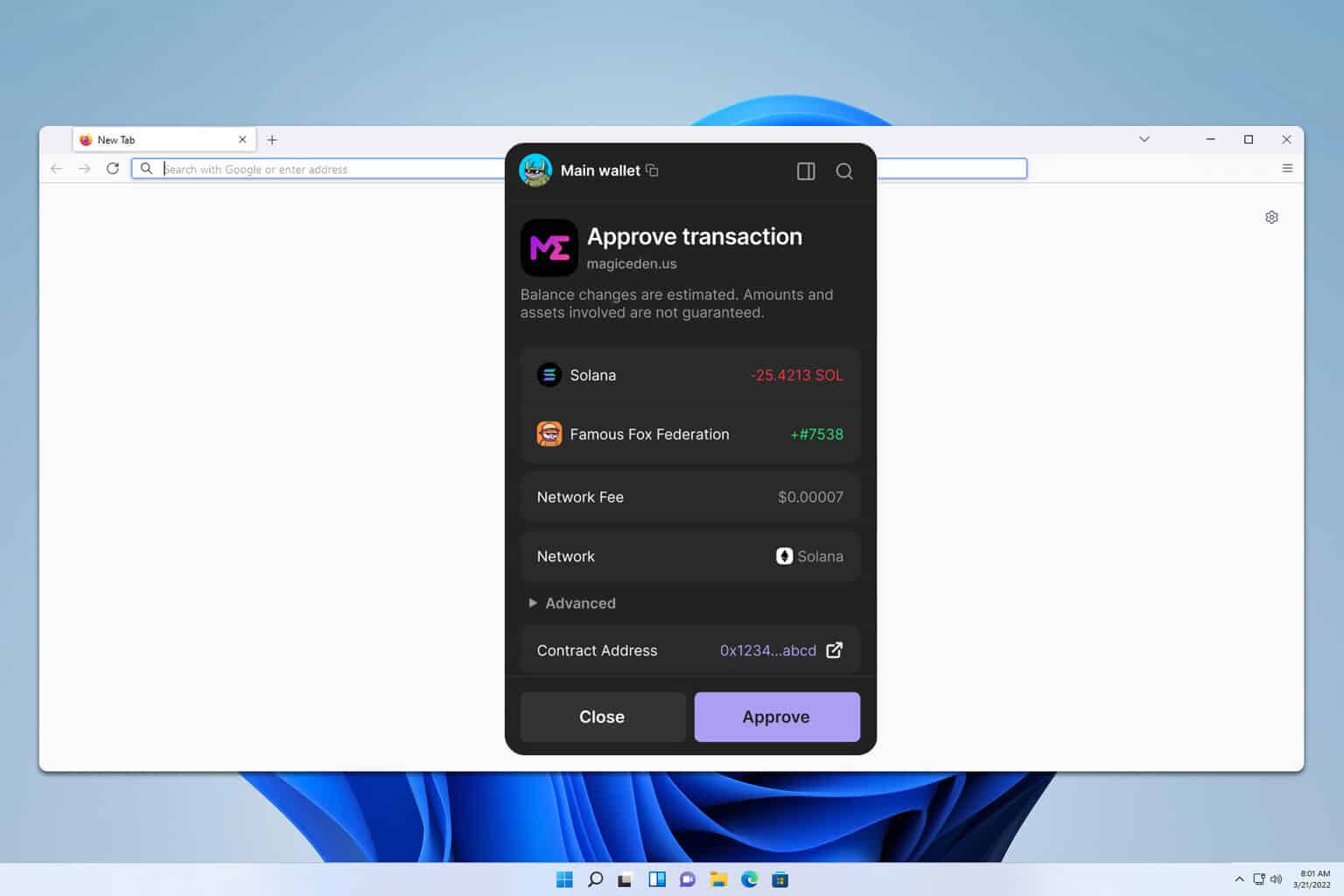
Hmm… balancing convenience and security is the trick. Medium-length explanation: You want a wallet that limits permissions, shows clear transaction details, and offers easy ways to disconnect or lock. Long thought: If a wallet extension offers a one-click approve flow with little context about the transaction, then you’re trading safety for speed, and over time that trade usually costs people—in lost NFTs, drained wallets, or phishing-induced chaos—so it’s worth getting picky early on.
Core criteria for choosing a Solana wallet extension
Whoa! Short list first. Security, UX, ecosystem support, and recovery options—those matter most. Medium: Security means private keys stay in the extension (not served over the web) and that the app supports hardware wallets or strong seed phrase protections. Medium: UX means clear prompts, readable transaction details, and sensible defaults that protect users. Long: Ecosystem support is about whether the wallet integrates with major marketplaces, staking services, and widely-used dApps, because an extension that’s isolated from common flows will create friction and lead to risky user workarounds.
Here’s a simple breakdown of red flags. Wow! If an extension asks for unusually broad permissions, if it’s not open-source or audited (or at least transparent about audits), or if it frequently prompts for approvals without clear descriptions—avoid it. Medium: Also watch for sketchy distribution channels; only install from official browser stores or developer links you trust. Medium: Look for an active team and community; ghost projects sometimes get abandoned and then become easy attack vectors. Long: Lastly, check whether the extension has a sane update cadence and clear changelog, because silent policy or permission changes can turn a useful tool into a privacy hazard overnight.
Okay, so where does Phantom fit into this picture? I’ll be honest: it’s one of the most commonly recommended Solana browser extensions for a reason. People like its balance of user-friendly design and solid ecosystem integrations. If you want to try it, here’s the official spot for a safe install: phantom wallet download extension. (I’m not shilling—just pointing to a typical, recognized installer path that users share.)
Seriously? Some users worry about centralization and features. Medium: Phantom, like any wallet, is a tool with trade-offs. Medium: It focuses heavily on UX, which helps new users but can obscure deep technical details. Long: On balance, the best approach is pragmatic: use a well-known extension for everyday interactions, but keep larger balances in cold storage or a hardware wallet, and only connect the extension to sites you trust.
Practical setup and safety checklist
Whoa! Start with a clean browser profile. Medium: Use a dedicated browser profile or separate browser for crypto activity to reduce cross-site risk. Medium: Create a strong seed phrase backup and store it offline—think paper, metal, or both. Long: Consider complementing the extension with a hardware wallet that supports Solana (via the extension if supported) so private keys benefit from an isolated signing environment whenever you make high-value transactions.
Next, manage permissions carefully. Really. Medium: Only approve connections for sites you recognize and remember what you signed. Medium: Periodically review connected sites in the extension and revoke access you no longer use. Long: If a site asks you to sign something that looks odd—empty payloads, repeated signature requests, or transactions that transfer tokens you didn’t intend—stop, Google the prompt, and ask in community channels (or the project’s Discord) before proceeding.
Hmm… want a small pro tip? Use testnets or low-value transactions when exploring new dApps. Medium: It’s the fastest safety net for learning. Medium: Many scams rely on unfamiliar users approving transactions without understanding outcomes. Long: A tiny, deliberate test transaction will reveal whether a dApp behaves as advertised and whether the extension provides adequate transaction metadata to make safe choices.
Common pitfalls and how to avoid them
Whoa! Phishing is everywhere. Medium: Phony sites and lookalike extensions are common. Medium: Always double-check domain names and extension publisher info. Long: Keep your browser and OS updated, enable phishing protections if your extension offers them, and don’t paste your seed phrase into websites or chat windows even if someone promises you gas-free NFTs.
Another mistake: mixing wallets for different use cases without discipline. Wow! Medium: It’s tempting to use one wallet for everything, but compartmentalization is safer. Medium: Use separate wallets for collectibles, for staking, and for everyday interactions. Long: This reduces blast radius: if one wallet is compromised, not everything goes with it, and recovery becomes simpler.
Also—replay and chain confusion. Hmm… Medium: When bridging or interacting across chains, verify transaction details carefully. Medium: Many bridge scams or faulty UIs cause accidental token moves. Long: If a dApp instructs you to sign messages to “authorize” off-chain claims, be suspicious; always understand the exact token movement and be wary of approvals that grant blanket transfer rights.
FAQ
How do I move NFTs between wallet extensions?
Short answer: Transfer them the same way you move tokens, but check recipient addresses twice. Medium: Use the wallet’s NFT view or a marketplace transfer flow to ensure metadata and royalties remain intact. Long: If you use two extensions, you might need to send a small SPL token first to confirm address compatibility and ensure the destination wallet recognizes the token standard before moving a high-value NFT.
Can browser extensions be used with hardware wallets?
Yes. Medium: Many extensions support hardware wallets via USB or browser bridges. Medium: This setup lets the extension handle UI while the hardware device signs transactions offline. Long: The combined approach gives the convenience of an extension with the key security of hardware signing, but confirm compatibility first and test with small transactions.
Okay, final thought—this is not complete, and I don’t have all the answers. I’m not 100% sure about every edge case, and honestly that’s part of the ecosystem’s charm and its danger. On one hand, Solana wallet extensions make crypto approachable and fun. On the other hand, their convenience requires a little vigilance from users. So yeah—learn, test, compartmentalize, and stay skeptical. You’ll enjoy the ecosystem a lot more that way.